How Shoe Pressure Can Affect Hammertoe Progression
- posted: Apr. 02, 2026
At Advanced Foot, Ankle & Wound Care in Sterling Heights, MI, Dr. Kyle W. Sundblad and Dr. Sadegh Arab often see patients whose hammertoe symptoms worsen over time due to footwear choices. While hammertoes can begin as a mild deformity, ongoing pressure from shoes can accelerate progression and increase discomfort. Understanding how shoe pressure affects the toes helps patients make informed decisions to protect long-term foot health.
Understanding Hammertoe Development
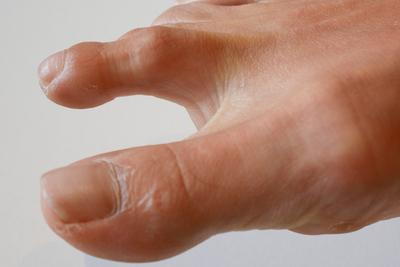
A hammertoe occurs when one of the smaller toes bends abnormally at the middle joint, creating a curled or raised position. In early stages, the toe may still be flexible, but as the condition progresses, it can become more rigid and difficult to correct without treatment.
Muscle imbalance, foot structure, and repetitive stress all contribute to hammertoe formation. Once the toe begins to contract, external pressure can further reinforce the abnormal position.
How Shoe Pressure Contributes to Progression
Tight or narrow shoes place constant pressure on the toes, forcing them into a confined space. This pressure can push the toe into a bent position, especially when there is not enough room in the toe box. Over time, this repeated compression can cause the joint to stiffen and the deformity to become more pronounced.
High heels can also contribute by shifting body weight forward, increasing pressure on the front of the foot. This added stress places more force on the toes, encouraging further bending and discomfort.
Symptoms Linked to Ongoing Pressure
As hammertoes progress, patients may notice increased pain, especially when wearing certain types of shoes. Corns or calluses may develop on the top or tip of the toe where it rubs against footwear. Redness, irritation, and swelling can also occur with continued pressure.
In more advanced cases, the toe may become rigid, making it difficult to move or straighten. This can affect balance and make walking less comfortable over time.
Preventing Further Progression
Reducing pressure on the toes is an important part of managing hammertoes. Shoes with a wider toe box allow the toes to rest in a more natural position, reducing friction and compression. Supportive footwear can also help improve overall foot mechanics and reduce strain on the forefoot.
Early intervention may include padding, orthotics, or other conservative measures designed to relieve pressure and slow progression. Addressing symptoms early can help avoid more advanced deformity and additional complications.
Hammertoe Care in Sterling Heights, MI
If hammertoe symptoms are worsening or becoming more uncomfortable, a professional evaluation can help determine the best approach to care. At Advanced Foot, Ankle & Wound Care in Sterling Heights, MI, Dr. Kyle W. Sundblad and Dr. Sadegh Arab provide personalized treatment focused on relieving pressure and improving foot function.
To schedule an appointment, call (586) 731-7873 and take the next step toward better foot comfort.
Office Hours
Contact Us